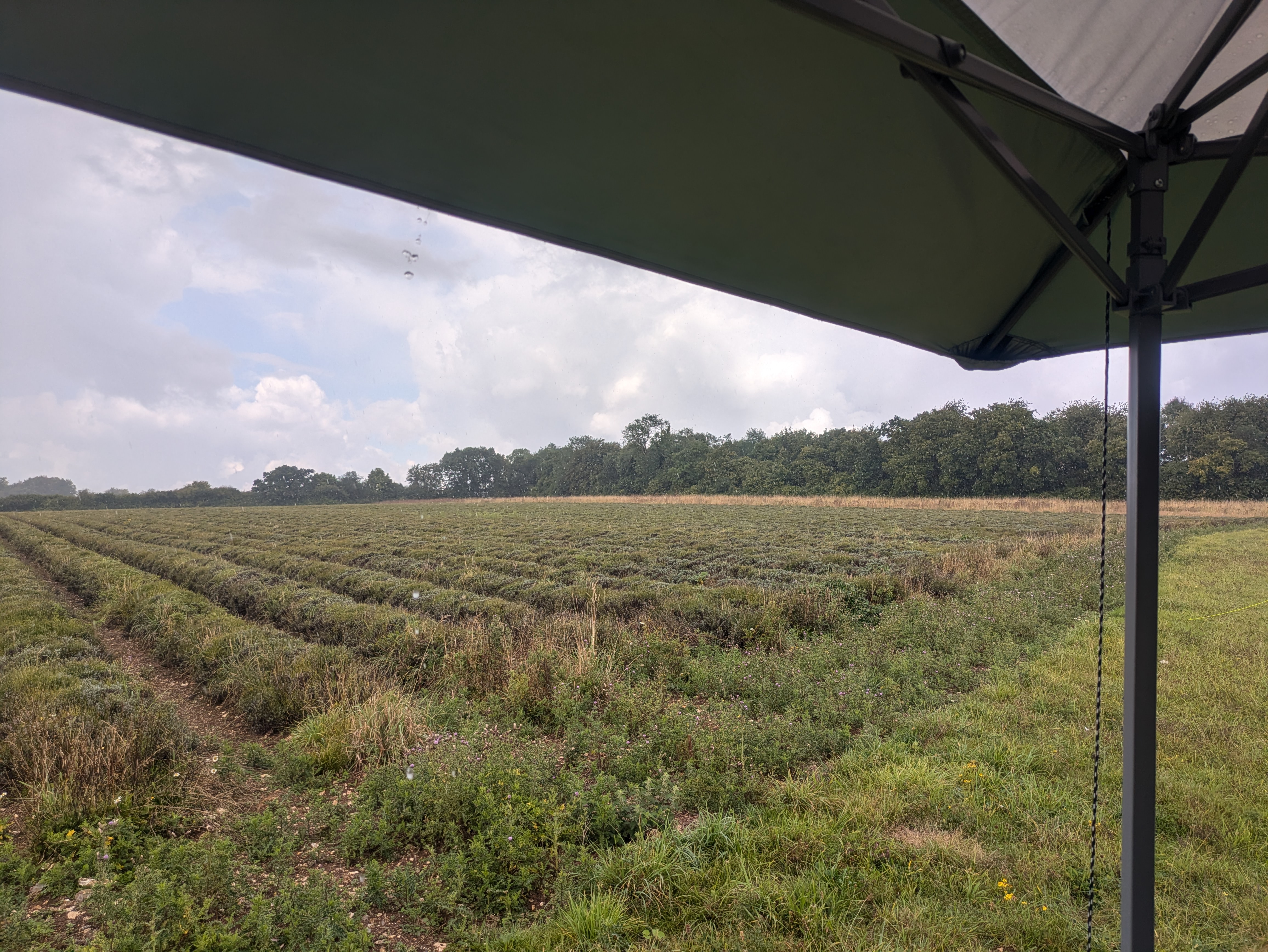
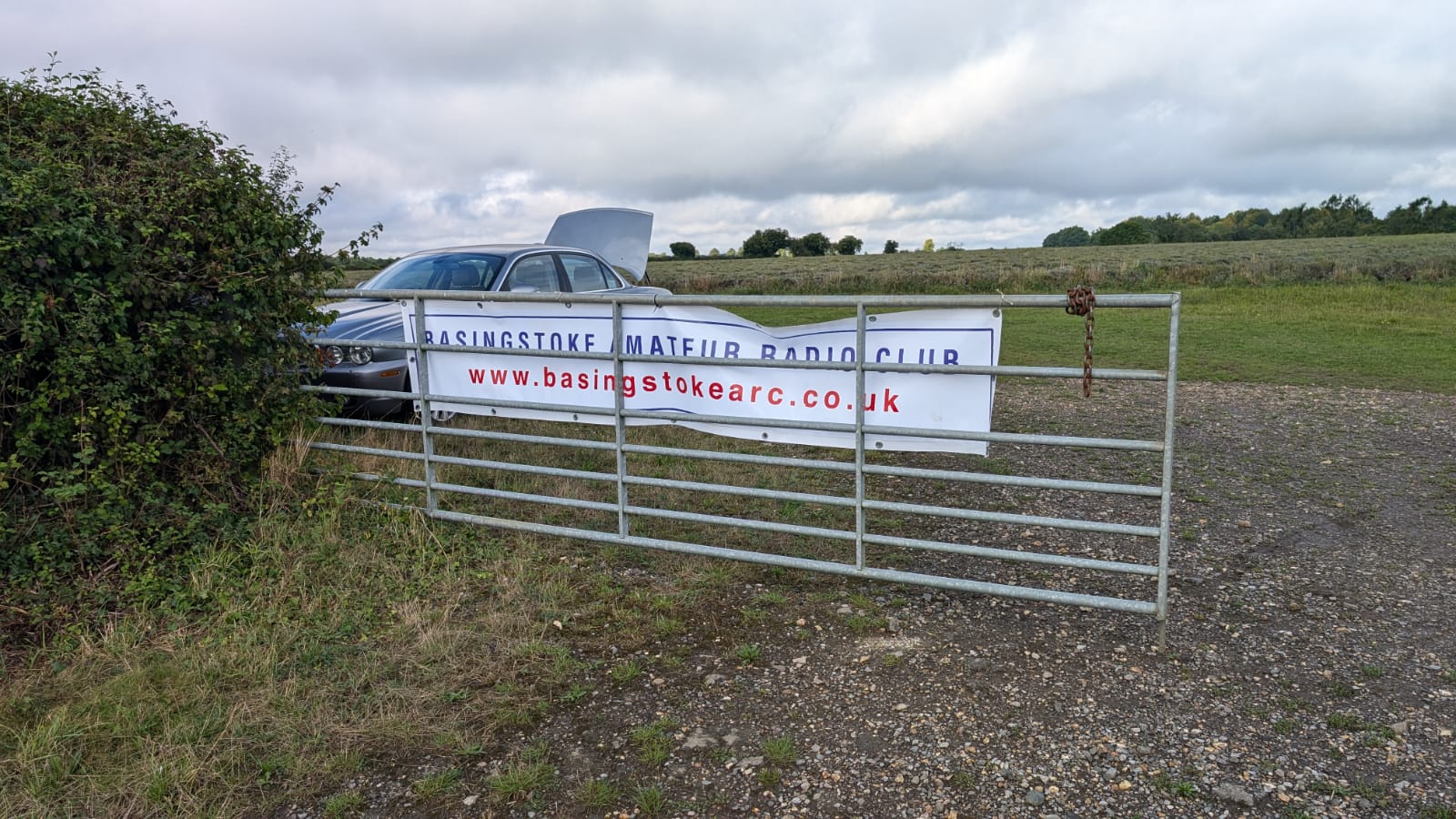
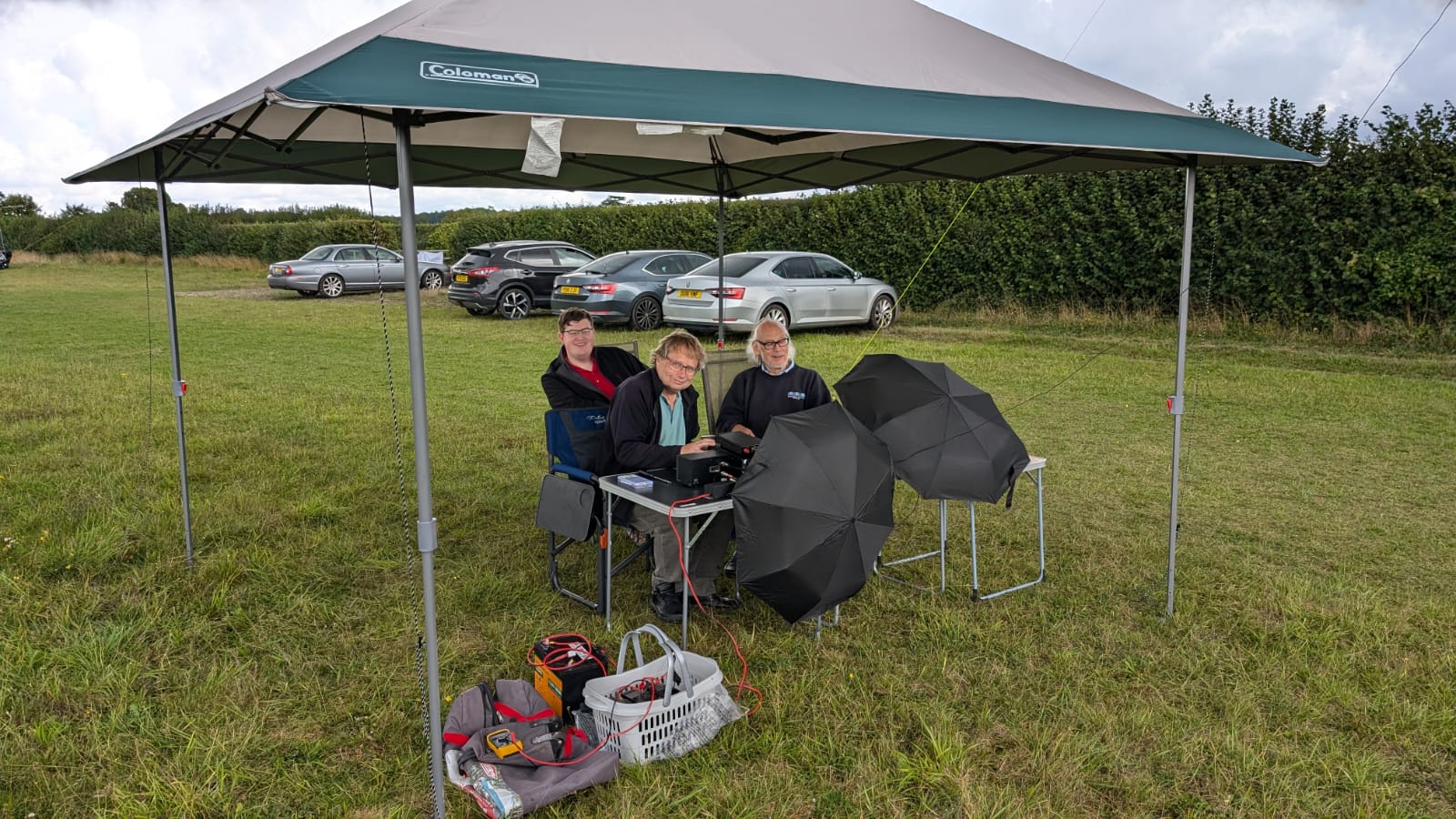
Thanks to all of those who attended our recent SSB field day. Luckily the weather managed to broadly hold off for us, minus around 20 minutes of torrential downpour!
We submitted a log with 52 QSOs and a claimed point total of 2970, fairly impressive for the short duration that the sation was active. Watch this space! When the results are out this page will be updated with how we stack up
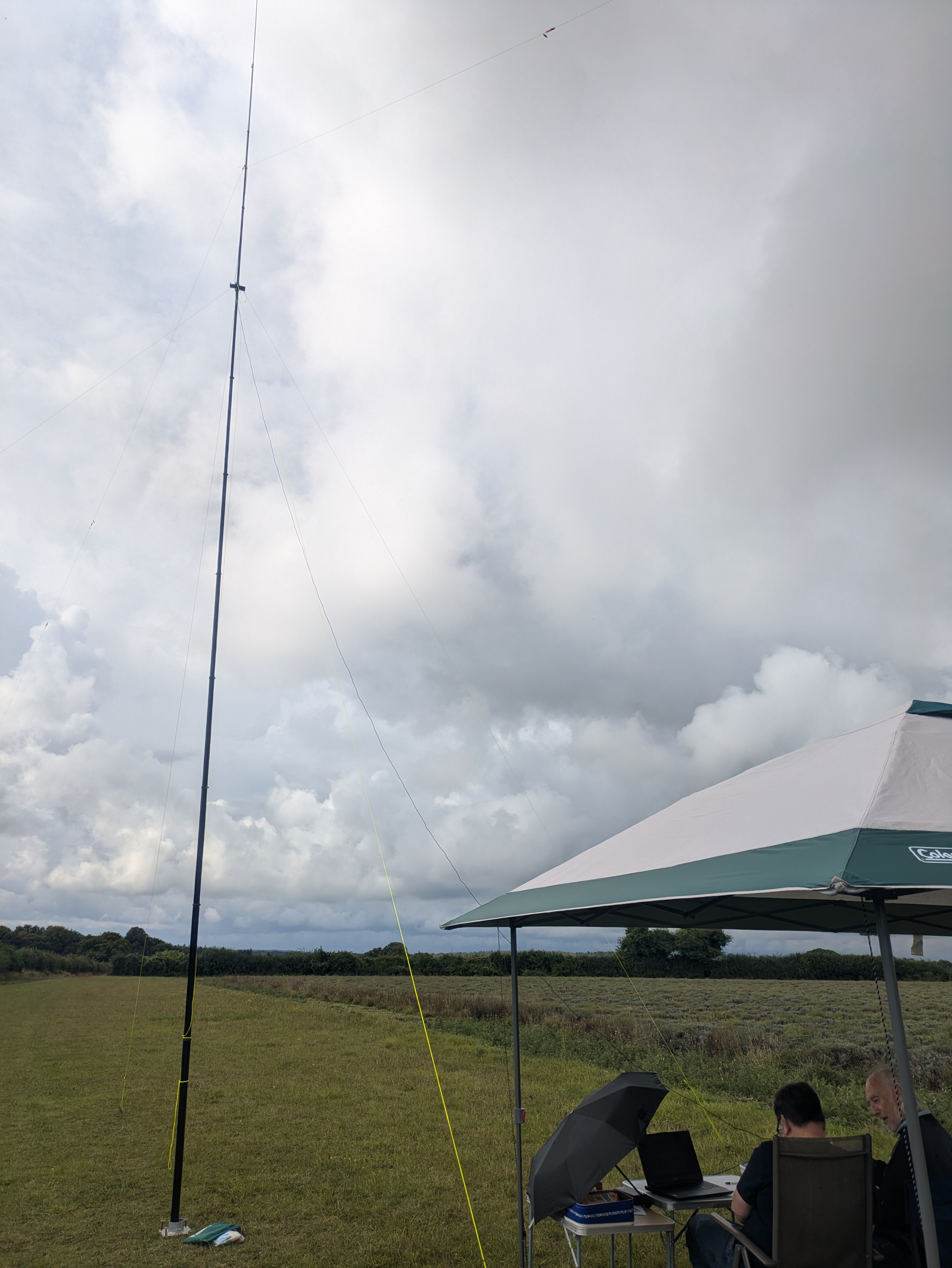
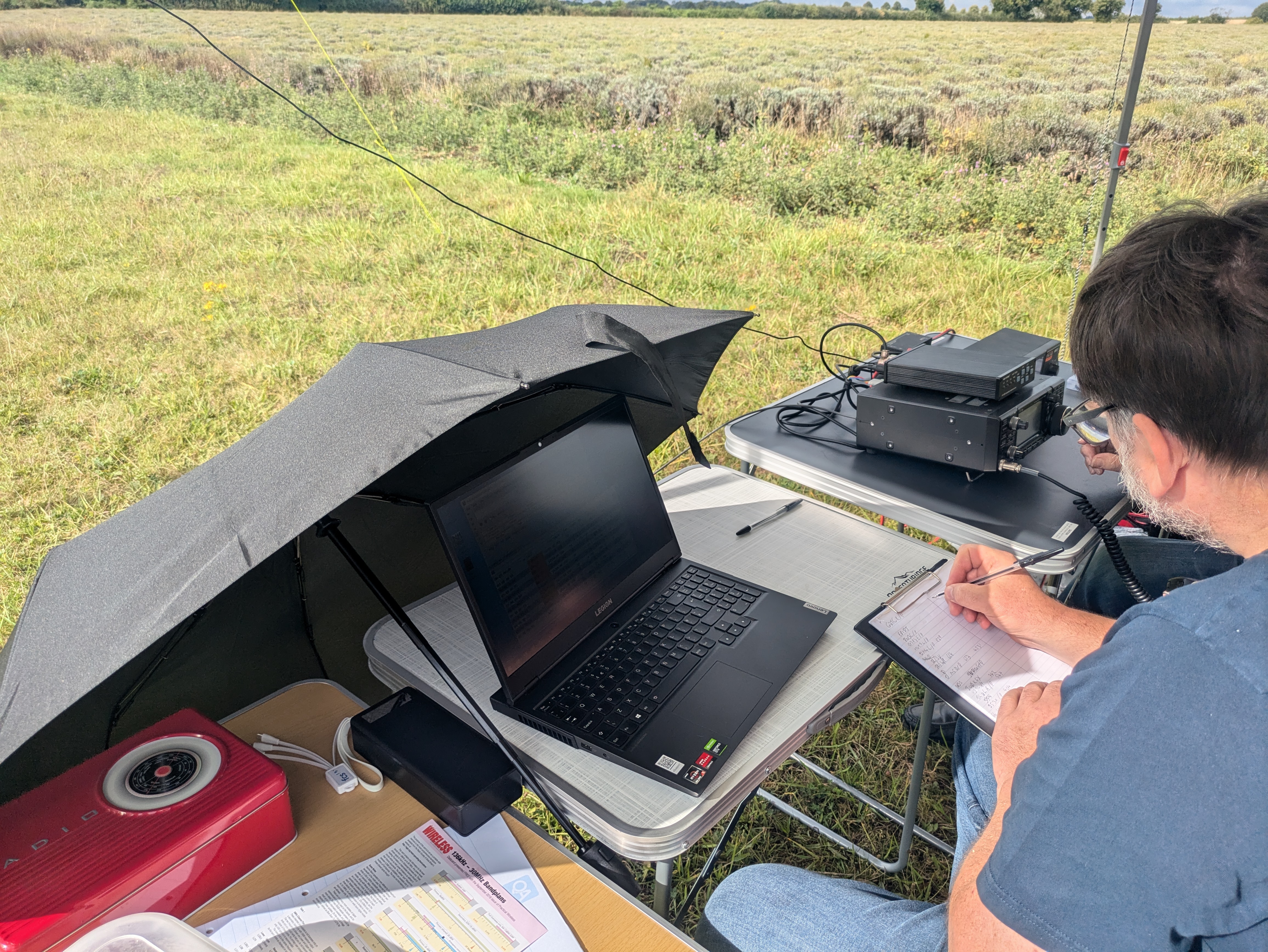
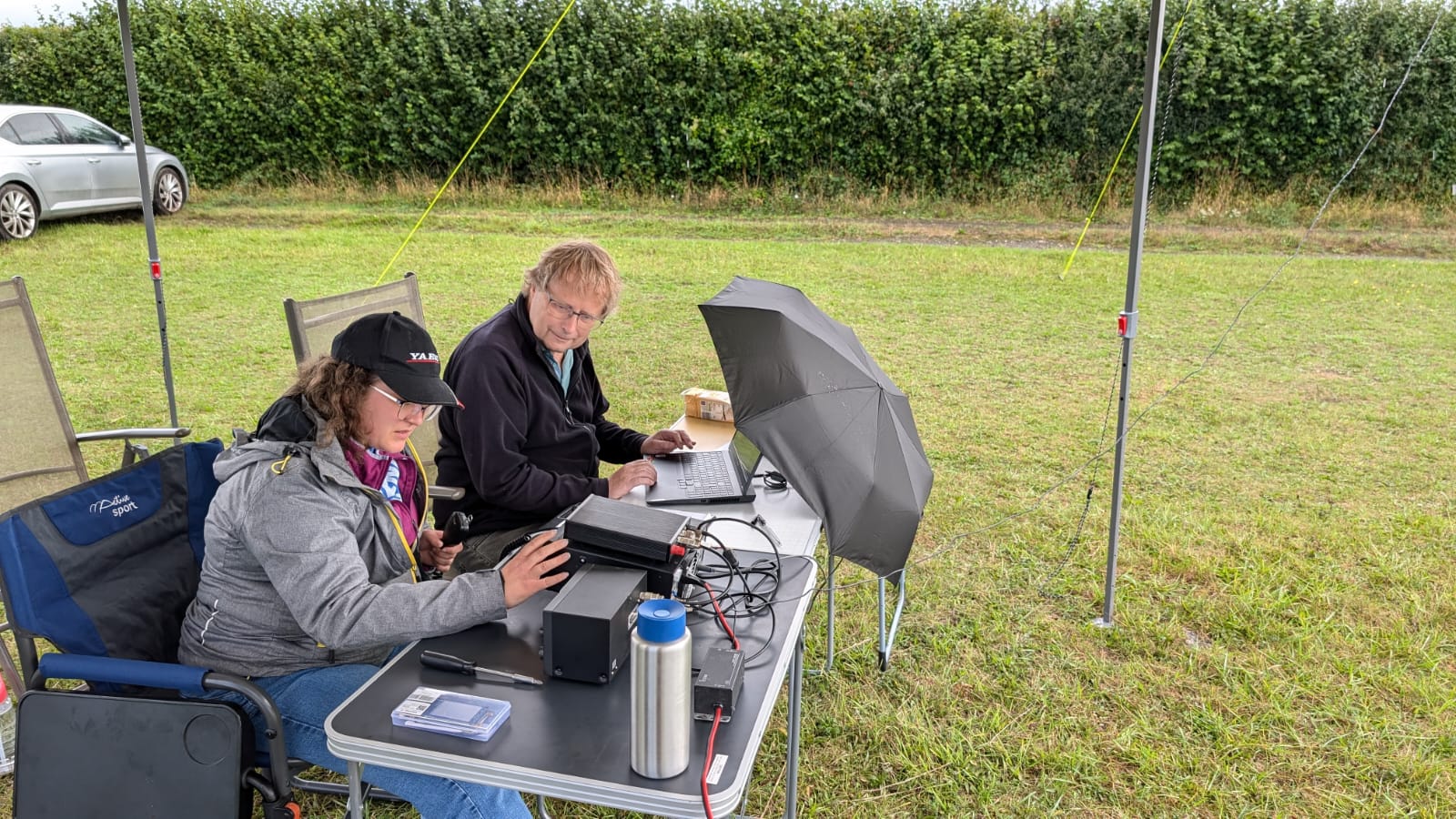
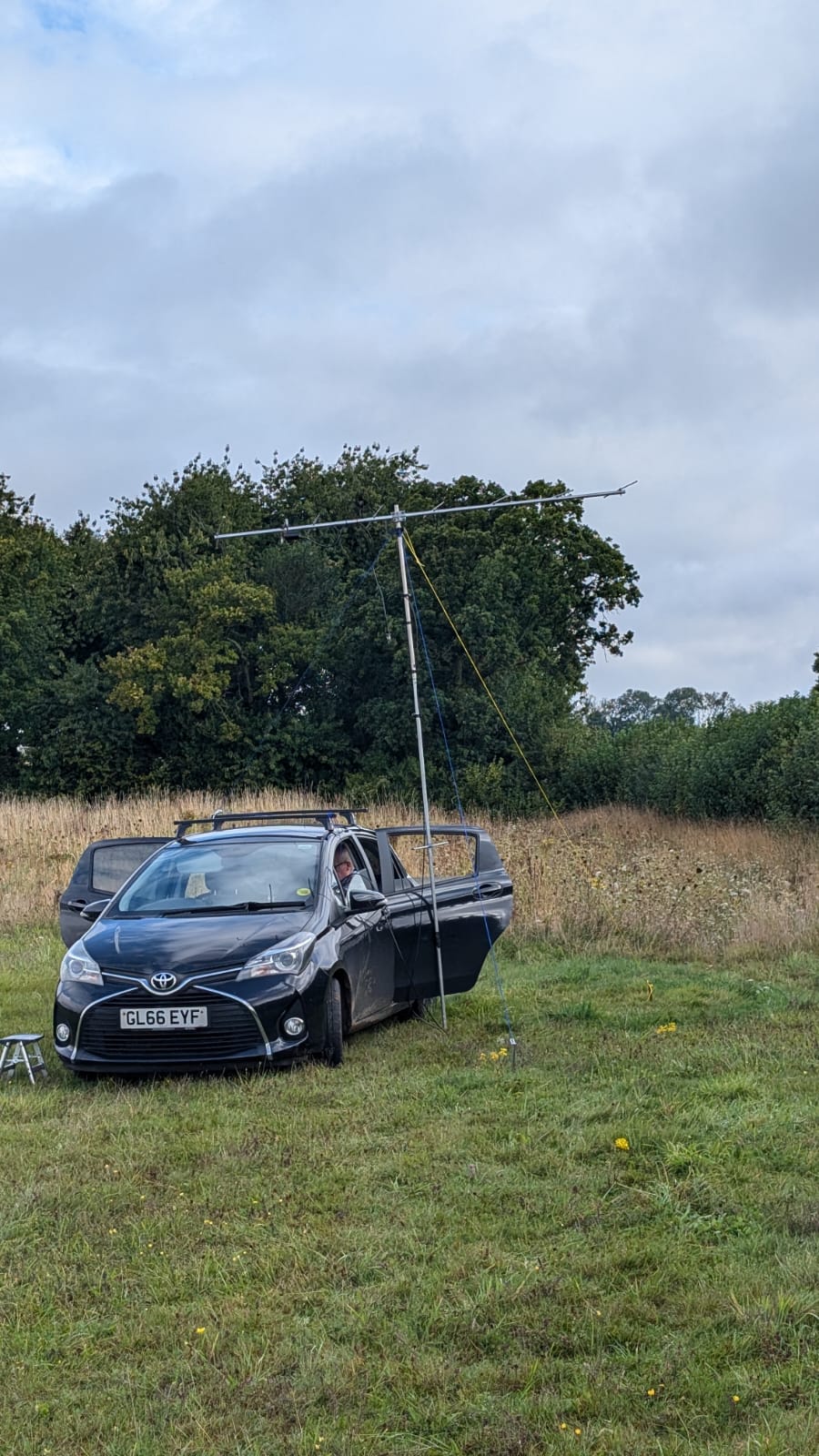
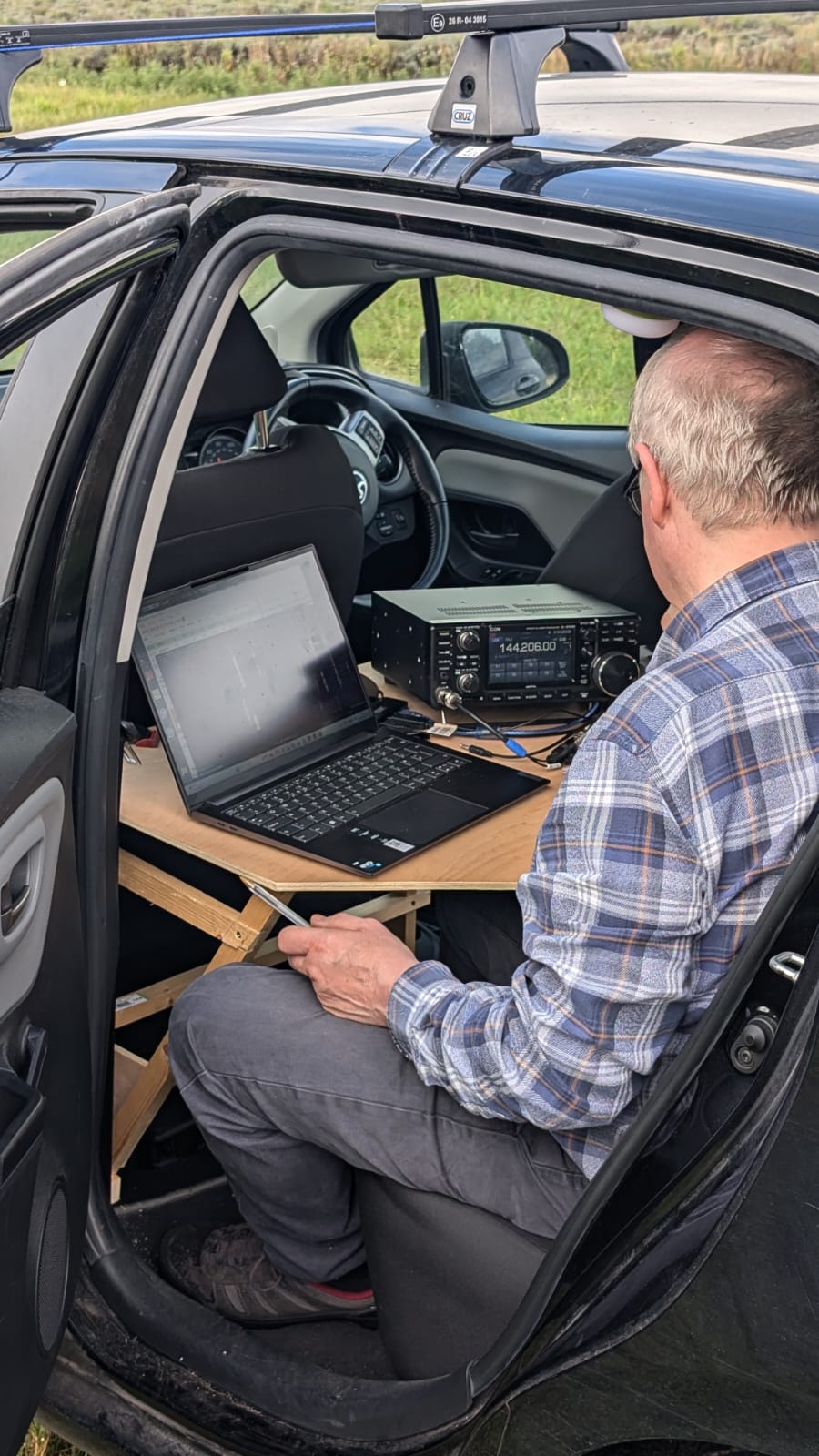
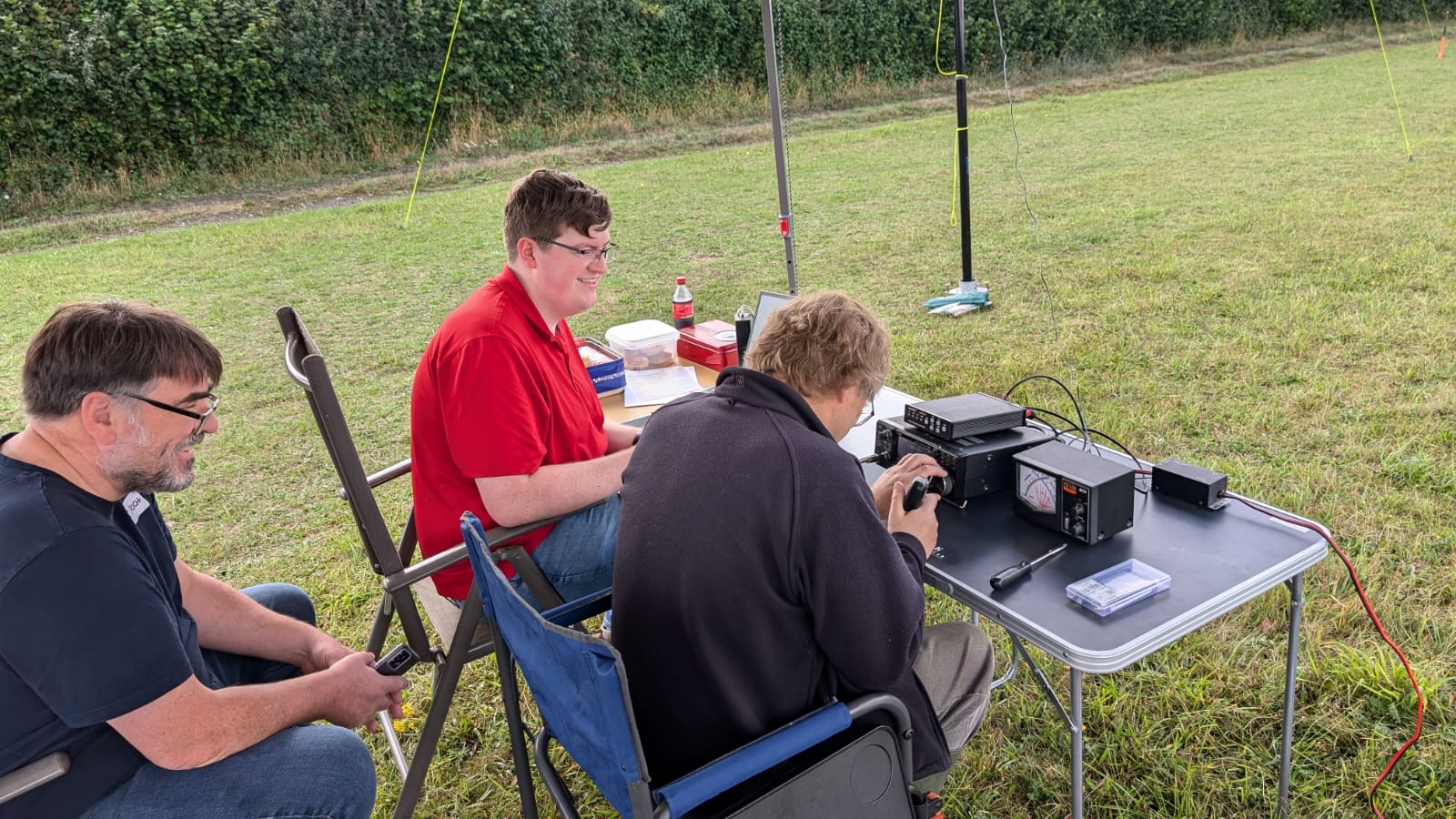
Our setup was an 11m fibreglass sotabeams mast and linked dipole, arranged in an inverted V with the centre around 9m above ground level. This antenna was then fed from an IC-7300 running at 100w, and powered by batteries charged with 100% green energy.
Some photos of the event below :), hope all had fun!
As you may have heard, on the 21st Feb 2024 the amateur licence was changed significantly to in Ofcom’s words “Introduce changes to enable greater operating freedom for people using amateur radio while making the process of getting and using a licence simpler and more consistent”, but what does this mean to the average amateur?
Below is a simple summary of the license changes that have been implemented, with high-interest items in bold. There are more to come later this/next year as the rollout is in 3 phases.
Call signs and suffixes:
The use of Regional Secondary Locators (RSLs) will become optional, removing the mandatory requirements for RSLs from the licence. If you wish to continue using one, you are able to do so, and they remain a valid call sign format. For licensees using a ‘2’ format call sign, it will remain mandatory to insert an RSL.
If you are a Foundation or Full licensee, you will be able to use the RSL ‘E’ in your call sign if operating in England, if you wish.
You will no longer be required to apply for an NoV to your licence if you wish to use a ‘special’ RSL, when designated by Ofcom.
We will amend the licence so licensees can use any suffix, so long as the station remains identifiable. It’s important to note that suffixes fall under the Wireless Telegraphy (Content of Transmissions) Regulations.
New applicants will only be allowed to hold one personal licence (excluding any Club licence).
Power levels and airborne use:
Foundation licensees will be able to transmit at 25 Watts PEP and Intermediate licensees at 100 Watts PEP, in bands where the Full licence currently permits operation at 400 Watts PEP. Full licensees will be able to transmit at 1000 Watts PEP in bands where amateur radio has a primary allocation.
All licensees will be able to transmit airborne in primary amateur radio bands. There is a maximum power limit of 500mW EIRP.
Enabling more flexibility within the licence:
Many Notices of Variation (NoV) will be embedded into the licence terms and conditions, so a NoV will not be needed for some activities which currently require a NoV. This includes the deployment of some beacons, repeaters, and gateways as detailed below.
As a licensee you will be able to allow unlicensed individuals to use your radio equipment under direct supervision. You will remain responsible for ensuring they comply with your licence conditions.
The rules on remote and unattended operation will be updated. As well as this, Foundation and Intermediate licensees will be able to use the internet for remote control operation.
For most repeaters, beacons and gateways you will no longer require an NoV. Licensees will have to carry out an interference assessment to prove that they have minimised the risk of interference to other users. For powers above 5W, a call sign must be obtained from the RSGB.
A new Data Station mode of operation will be introduced. This is to allow the authorisation of a wide variety of other data systems, mainly machine-to-machine operations. This provision will permit the following types of operation under the licence; APRS, UIView/Packet, data/trunk links, and RF mesh networks.
As a Foundation licensee, you will be able to build your own equipment and access the 2.4 GHz and 5 GHz band. There is a maximum transmit power of 2 Watts in these bands.
We will align various terms and conditions with other licences that Ofcom issues, simplifying many of the conditions, removing unnecessary complexity and making them clearer. We will also remove several provisions from the licence that are not required for spectrum management purposes.
For the full information pack, please take a look at the updated Licence conditions PDF.
Following on from our most recent club meeting I’d like to again point the spotlight towards Brickworks, the RSGB’s newest scheme to encourage people to get involved in the wide variety of activities that the hobby has to offer.
To summarize, Brickworks aims to be a fun way to point you to discover more about amateur radio and what the hobby has to offer by completing a range (or all!) of 23 different activities, centred around five key themes. There are five certificates available, ranging from Bronze to Diamond depending on how many activities you have completed.
Internally BARC has created a google form that you can fill in to update us on your progress. Once you’ve reached the required number of achievements, you’ll be awarded a certificate, simple! The form saves your call-sign to collate your data if you make multiple submissions, please don’t mix your 0’s and O’s! To access the form, please click here. Alternatively, to learn more about brickworks, click here.
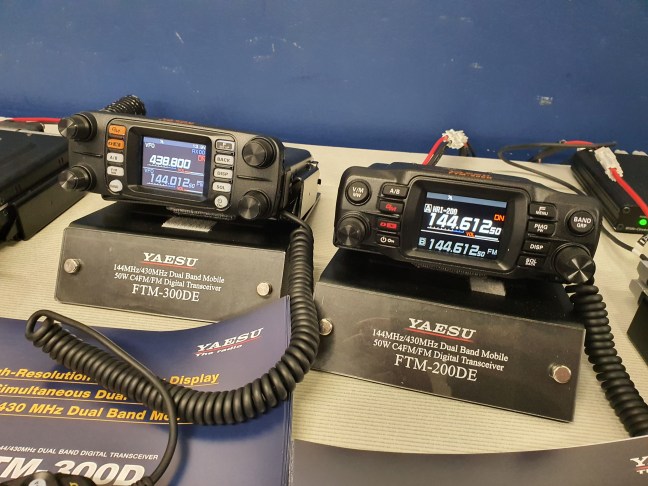
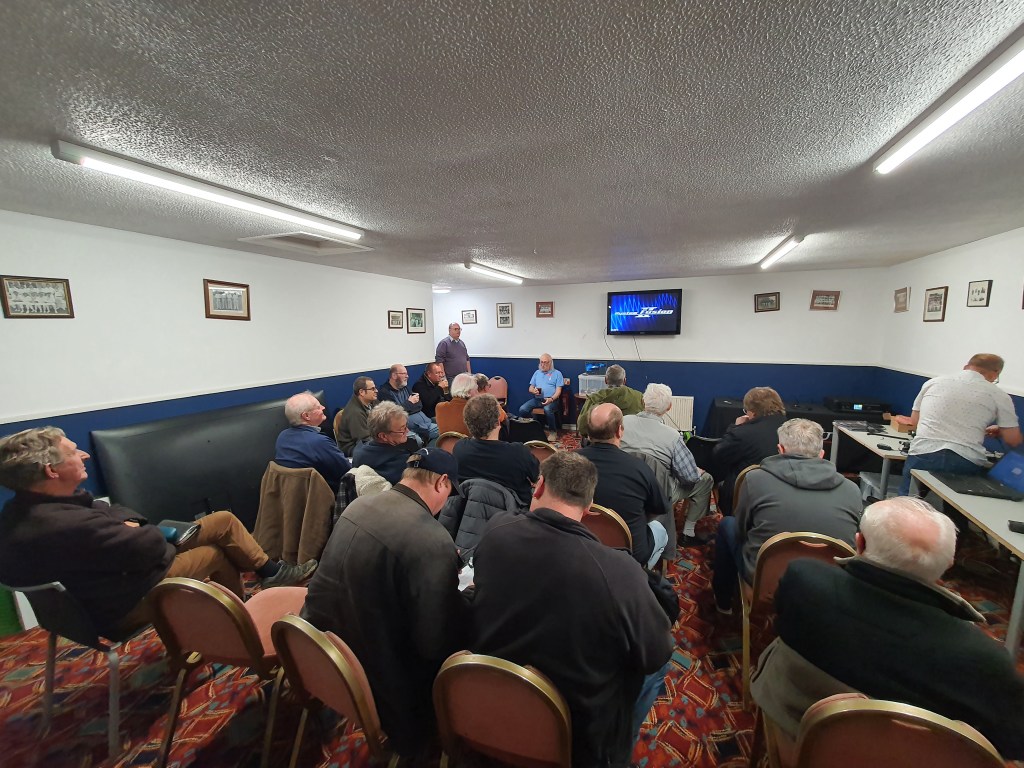
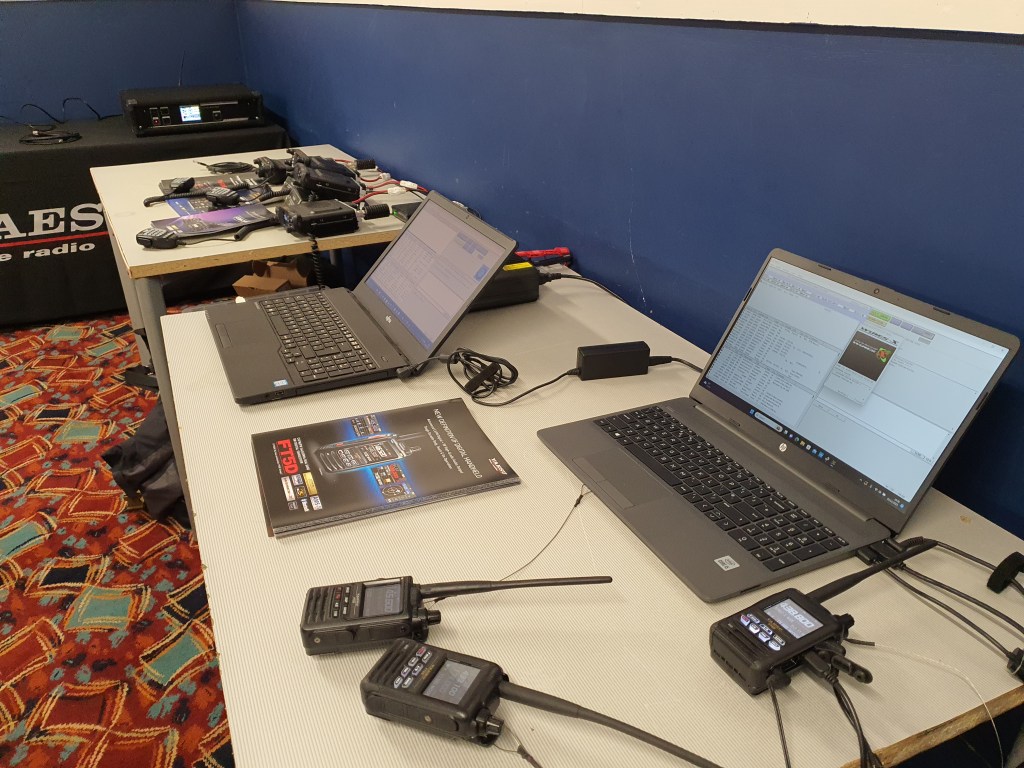
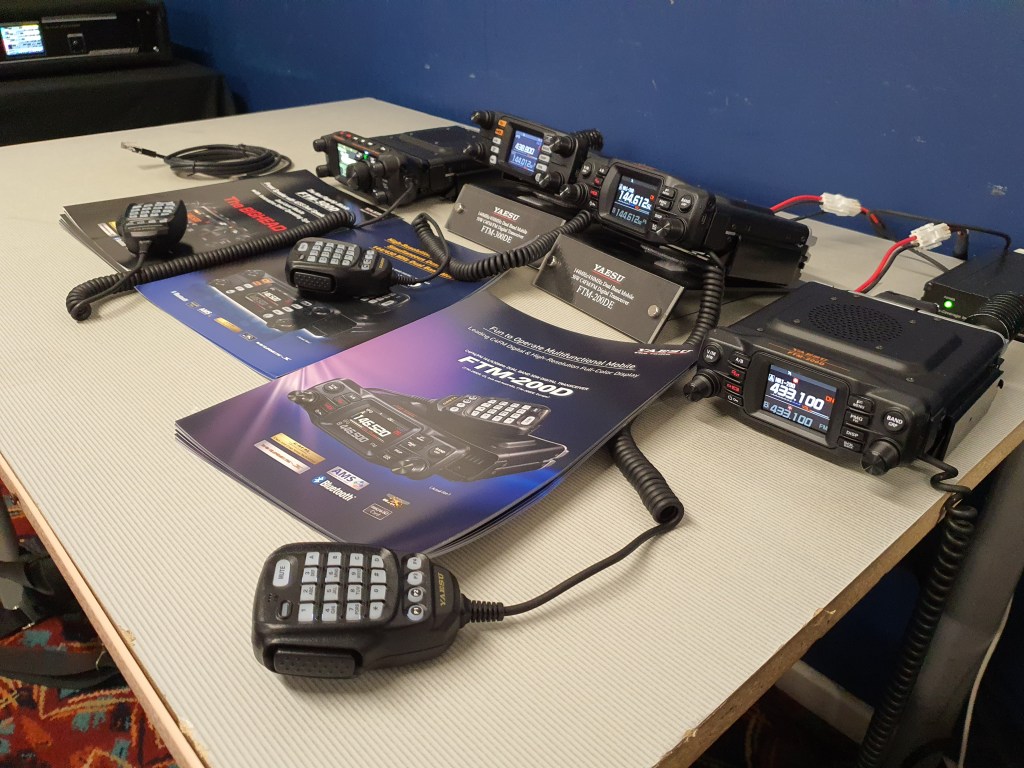
At this months meeting we were lucky enough to have some representatives from Yaesu attend, give a talk on system fusion, and let us have a play with some impressive demo kit. Four Portables, Three handhelds, Two Repeaters, gateways, and more were all available for us to see and use, perhaps giving some an idea on what they’d like for Xmas 🎅.
Club turnout was high with over 20 people attending, most leaving with a free Yaesu hat! Thank you to Karl Brazier and the other Yaesu attendees for helping to make a very enjoyable club meeting.
Hope to see you next month (12th December) for our Xmas social with mince pies and a quiz from Ray Gathergood G4LUA.
Brickworks is an exciting and fun way to build on what you have learned on your Foundation Course. It enables you to learn more about your new hobby, build your confidence, gain a greater understanding of how to get the best out of your equipment and enjoy new experiences.
Tell me more about Brickworks
Brickworks is a scheme run by local amateur radio clubs such as ourselves that have committed to helping all licensed amateur radio operators discover what the hobby has to offer. Brickworks Accredited Clubs are welcoming and friendly places that will support both those new to the hobby, and those who are already licensed, who want to explore the hobby more fully. They will give them advice, guidance, and help. They will work with their Brickworks participants and provide them with a refuge when things go a little wrong. It’s the scheme that we all wish had been in place when we were newly licensed.
You will have fun whilst discovering more about amateur radio and what it has to offer by completing the 23 varied activities that Brickworks is based on, centred around five themes.
How will I be rewarded for my achievements?
As you progress through the scheme, and complete activities successfully, you will receive awards to recognise your progress; Bronze, Silver, Gold, Platinum and Diamond.
Certificate
Activities
Bronze
3
Silver
5
Gold
10
Platinum
15
Diamond
23
Award Table
Need More Information or want to join?
For more information, such as the types of activities, the RSGB Brickworks page goes into more details here




 basingstokearc.co.uk